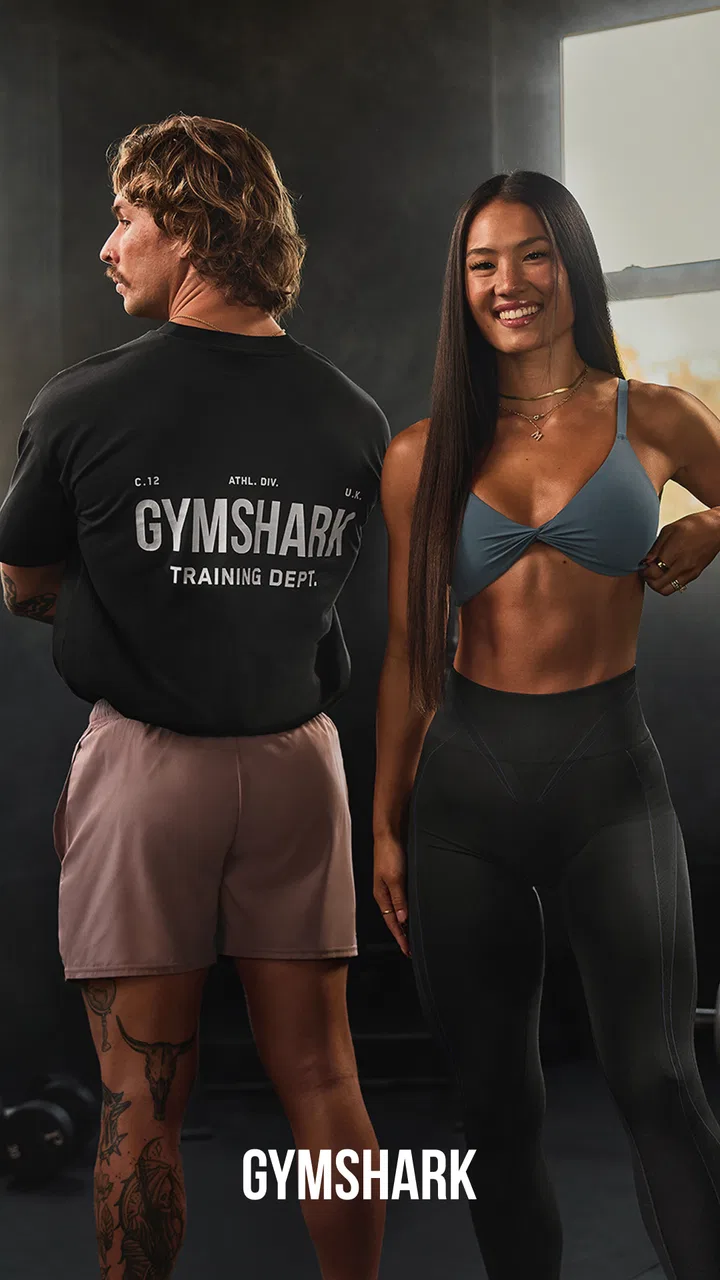
Gymshark: Shop Gym Clothes
- 4.9
- Rating
- 1.00M
- Installs
- Free
- Price

 Analysis by App-foxy
I found Gymshark: Shop Gym Clothes most useful when I treated it as a focused shopping tool rather than a general fashion marketplace. It is built around Gymshark’s own gym wear, activewear, sportswear, gear, and athletic clothing, so the experience feels more direct than browsing a large multi-brand store. I can open the app, look through training clothes, compare the pieces that catch my eye, and move toward a purchase without sorting through unrelated brands.
That focus is both its main strength and its first important limitation. If you already like Gymshark’s style, the app gives you a convenient place to explore the range. If you want to compare several manufacturers, search for bargain alternatives, or build an outfit from many different labels, a broader shopping app will probably suit you better. My overall impression is that this is a straightforward companion for people who already know what kind of training clothing they want, with enough browsing flexibility for someone discovering the brand for the first time.
What the Gymshark shopping experience is really like
The app comes from Gymshark Ltd and belongs squarely in the shopping category. It is free to install, carries an Everyone age rating, and has reached over one million installs. Those details matter less than the way the app feels in use: it is not trying to teach workouts, track exercise, or replace a fitness planner. Its job is to help me browse and shop for Gymshark products from a phone.
You May Also Like

 Blood Strike: 2.5 Anniversary
Blood Strike’s Loadouts Turn Every Drop Into a Tactical Gamble
A close look at Blood Strike’s custom loadouts: how fast access to signature weapons reshapes its battle royale rhythm, rewards preparation, and narrows the gap between fights.

 Pandora - Music & Podcasts
Pandora’s Music Is Easy to Start, but Harder to Recover
Pandora’s strength is its low-effort path from a seed to a station. Its weak spot is how much confidence it asks you to place in connection, setup, and quiet recovery.

 8 Ball Pool
 Is Built on Rivalries, Rematches, and Routine
A close look at the rivalries, rematches, shared routines, and unanswered safety questions that turn a quick pool match into a persistent mobile community.

 Samsung Music
’s Quiet Strength Is Playing What You Already Own
Its reach comes less from spectacle than from dependable access to a personal library. That simplicity is both the app’s strongest retention engine and its ceiling.

 AccuWeather: Weather Radar
AccuWeather Review: A Quick, Clear Forecast for Everyday Decisions
For everyday plans, the best forecast is the one you can understand quickly. AccuWeather makes rain timing, radar, and local conditions easy to act on, with a few trade-offs.

 Hill Climb Racing
Why Hill Climb Racing Still Turns Crashes Into One More Run
A tiny car, a bumpy hill and one more upgrade: Hill Climb Racing keeps resurfacing because its simple chaos makes every near-miss feel personal.
More From Our News Desk



The high average rating of 4.9, based on around 22 thousand ratings, suggests that many users find the shopping experience dependable. I would not treat that number as a guarantee that every order or every product will suit everyone, but it does indicate strong approval from the wider user base. The app has also accumulated around 305 written reviews, which gives prospective users some extra context beyond a single score.
When I first open a brand-specific shopping app, I want to know whether it will make product discovery easier or simply reproduce a website inside a smaller screen. Here, the benefit is the concentrated catalogue. I am not distracted by unrelated sports brands, household products, or sponsored listings from competitors. That makes it easier to begin with a purpose, such as finding a training top, refreshing gym basics, or checking what gear is available for a particular style of workout.
The trade-off is that the app’s usefulness depends heavily on how much you want Gymshark products in the first place. A general retailer may be better for a strict budget comparison, while a resale marketplace may be better for finding older items or second-hand deals. I see this app as the most natural choice when brand consistency matters more than comparing every possible alternative.
Starting without getting lost in the catalogue
For a first-time user, I recommend beginning with one clear purpose instead of opening every category at once. Think about the immediate need: a pair of bottoms for regular training, a top for layering, or a small piece of equipment. This simple decision gives your browsing session a useful boundary and reduces the temptation to fill a virtual basket with items that do not solve a real problem.
I also find it helpful to separate “I like the look” from “this will work for my routine.” Gym clothing can look appealing in product imagery while still being unsuitable for the way you train. Before moving forward, I consider whether I need freedom of movement, a lighter layer, coverage during stretching, or something that can handle repeated use. The app can help me inspect the available products, but it cannot decide which garment fits my habits.
One practical approach is to browse by use case rather than by impulse. If I am preparing for short indoor sessions, I do not need to evaluate every visible item. If I am assembling a small rotation for several training days, I pay more attention to versatile pieces that can work with what I already own. This turns the app from a scrolling exercise into a short planning session.
First setup: keeping the process simple
The first setup is uncomplicated because the app is free and aimed at shopping rather than account-heavy fitness tracking. I would install it on a compatible device, open it, and spend the first few minutes learning how Gymshark presents its collections and product pages. The listed minimum operating system is Android 8.0, so anyone using an older Android device should check compatibility before expecting to install it.
I prefer not to rush through the opening browse. A quick first pass helps me understand how the catalogue is arranged and where the shopping controls appear. I look for the path from a general collection to an individual item, then check how I return to browsing after inspecting it. That small orientation step is worthwhile because it prevents the common mistake of opening products randomly and losing track of what I actually wanted.
The current version is 1.97.1, which is useful to know when troubleshooting an unexpected interface difference. App layouts can change, so I would not rely on an old screenshot or a friend’s description of where a control appears. If the experience looks slightly different after installation, I would first make sure the app is updated and then explore the current navigation rather than assuming something is missing.
Because this is a shopping app, I would also prepare the information I need before choosing anything: the type of garment, the size I normally wear, and the maximum amount I am comfortable spending. I am deliberately not treating the app as a place to make those decisions for me. A clear starting point makes the first meaningful action much easier.
The first successful action should be deliberate
For me, a successful first session means finding one relevant product and understanding why it belongs on my shortlist. That is more useful than simply opening the app or filling a basket. I start with a category or collection that matches my immediate need, open a product that looks suitable, and inspect the information available before deciding whether it deserves further consideration.
A good test is whether I can answer three questions after viewing an item: what role it would play in my wardrobe, whether it suits my usual training, and whether I would still want it if I had not just seen the promotional imagery. If I cannot answer those questions, I keep browsing instead of treating the first attractive item as a decision.
My preferred workflow is to create a short mental shortlist. I compare pieces by purpose, not only by colour or appearance. For example, a top intended for regular training should be judged differently from a layer chosen mainly for travel to and from the gym. This is one of the app’s quiet advantages: because the catalogue is centred on one sportswear brand, I can compare items within a coherent visual range without jumping between unrelated stores.
There is also a useful discipline in stopping after the first strong candidate. Shopping apps encourage endless browsing, and more scrolling does not always improve the decision. Once I have found an item that fits the need, I check the details that matter to me, consider what I already own, and decide whether I need another option. That prevents the app from turning a simple clothing purchase into an unnecessarily long session.
Details I would check before buying
I pay close attention to the practical information on a product page rather than relying on the model’s appearance. The way clothing looks in promotional photography is not the same as the way it will feel during my own routine. I consider the garment’s likely role, how it might combine with existing pieces, and whether I am choosing it because it solves a gap or merely because it is presented prominently.
Size is another area where I slow down. I would use the sizing guidance shown in the app and compare it with a garment I already own when possible. That is a more reliable starting point than guessing from a familiar letter or assuming every cut will feel the same. Even without making the process complicated, this extra comparison can reduce the disappointment of selecting something that looks right but does not match my preferred fit.
I also think about rotation. One attractive item may be enough for an occasional activity, but someone training regularly may need clothing that works with several existing outfits. The smarter purchase is not always the most eye-catching product; it may be the piece that can be worn in more situations. This is particularly important in a brand-focused app, where the consistent styling can make several items feel essential even when they overlap in function.
Finally, I review the basket calmly before completing anything. I remove duplicate choices, check that each item has a clear purpose, and make sure I have not confused a casual preference with a genuine need. The app makes browsing convenient, but the quality of the final purchase still depends on this pause.
Common confusion for new users
The first confusion is assuming that a brand shopping app will behave like a workout app. Gymshark: Shop Gym Clothes is not where I would go to log sets, follow a training plan, or monitor progress. Its purpose is retail. Users looking for coaching or exercise tracking should choose a dedicated fitness app instead of expecting those tools here.
Another possible misunderstanding is thinking that a focused catalogue automatically makes every choice easy. It removes competing brands, but it does not remove the need to compare cuts, intended uses, and personal preferences. I still have to decide whether an item is appropriate for my routine and whether it adds something useful to my wardrobe.
Some users may also confuse a strong app rating with a promise that the products will fit identically. The 4.9 average is encouraging, but clothing remains personal. Fit, comfort, and style are subjective, and a highly rated shopping experience cannot eliminate those differences. I treat the rating as evidence that the app works well for many people, not as a substitute for reading product information carefully.
A further source of friction is the difference between browsing and buying. Browsing can feel quick because the app keeps attention on the products, but the decision itself benefits from a slower check. I would rather spend an extra minute confirming the item’s purpose and suitability than make a rushed choice because the interface makes adding products feel effortless.
When another shopping option makes more sense
I would not recommend this app as the only shopping tool for someone who is trying to find the lowest possible price across the entire market. A multi-brand retailer is better for comparing similar sportswear from different manufacturers in one search. It can also be more practical for someone who wants to combine Gymshark clothing with shoes, accessories, or equipment from several brands.
Likewise, a general marketplace may be preferable if your priority is resale availability, used items, or a very broad range of sizes and styles from different sellers. This app is strongest when the destination is already clear: you want to explore Gymshark’s own range and prefer a direct, brand-specific experience.
I would also suggest skipping it if you are only casually curious about gym clothing and have no intention of buying from this brand. The focused catalogue can still be enjoyable to browse, but it will not provide the variety that makes a general fashion app useful for open-ended inspiration. In that situation, the narrower experience becomes a limitation rather than a benefit.
Useful habits after the first visit
Once I have completed the first meaningful browse, I use the app with a specific return reason. I might come back to check whether a previously considered item still fits my needs, look for a complementary piece, or prepare a more complete training rotation. Returning with a purpose keeps the experience efficient and helps me avoid browsing simply because the catalogue is easy to open.
One non-obvious advantage of this approach is that it exposes wardrobe gaps more clearly. When all the products share a recognisable Gymshark identity, I can notice whether I am repeatedly considering the same kind of garment. If every shortlist contains another similar top, that is a signal to stop shopping and identify what I actually lack. The app becomes a planning aid, not just a stream of attractive products.
I also recommend separating inspiration from commitment. During one session, I might identify styles that appeal to me; during a later session, I decide whether they fit my budget and routine. This two-stage workflow is especially useful for first-time users because it lowers the pressure to buy immediately while still making the app helpful for shaping a purchase.
For people who train with changing needs, I would revisit the catalogue when a real requirement appears rather than trying to predict every future activity. A garment selected for a current routine is easier to judge than one chosen for a vague possibility. That keeps the shopping experience grounded in actual use.
My final assessment for a first-time shopper
After using it as a focused retail app, I see Gymshark: Shop Gym Clothes as a good fit for someone who wants Gymshark clothing without the noise of a general marketplace. It is free, accessible to an Everyone audience, and supported by a strong 4.9 average from around 22 thousand ratings. The app’s clearest value is concentration: I can explore gym wear, activewear, sportswear, and related gear in one brand environment.
The best way to get value from it is to arrive with a small plan. Decide what you need, inspect products for practical use rather than appearance alone, compare the options that genuinely solve that need, and pause before completing the basket. That process makes the first session feel reassuring instead of overwhelming.
My recommendation is therefore specific rather than universal. If you already prefer Gymshark’s look or want to shop its range from your phone, I think the app is worth trying. If your main goal is cross-brand comparison, bargain hunting, second-hand shopping, or fitness training tools, I would choose a different type of app. The meaningful success here is not endless browsing; it is finding one suitable piece and making a confident, informed choice.
With that expectation, the app does its job well. It keeps the path from discovery to consideration relatively focused, while leaving the important judgement—fit, usefulness, and value—to me. That balance is why I would recommend it to a friend who has a clear interest in Gymshark, but not as a replacement for every other shopping or fitness app.
FAQs for Gymshark: Shop Gym Clothes
01What features does the Gymshark app offer?
The Gymshark app provides a seamless shopping experience for gym enthusiasts, offering a wide range of gym clothes and accessories. Users can explore the latest collections, receive personalized recommendations, and access exclusive offers. Additionally, the app includes a user-friendly interface for easy navigation, secure checkout options, and features like wish lists and order tracking.
02Is the Gymshark app available on both Android and iOS?
Yes, the Gymshark app is available for download on both Android and iOS platforms. Users can find the app on the Google Play Store for Android devices and the Apple App Store for iOS devices, ensuring accessibility across various smartphones and tablets.
03Are there any in-app purchases or subscriptions required?
The Gymshark app itself is free to download and use. While there are no subscriptions required, users will need to make purchases for the gym clothes and accessories they wish to buy. The app occasionally offers exclusive deals and discounts, which can be accessed directly through the platform.
04How secure is the payment process on the Gymshark app?
The Gymshark app prioritizes user security, implementing encrypted payment gateways to protect your personal and financial information. The app supports various payment methods, including credit/debit cards and digital wallets, ensuring a safe and secure checkout experience for all users.
05Can users track their orders through the app?
Yes, the Gymshark app includes a convenient order tracking feature. Once a purchase is made, users can easily monitor the status of their orders directly from the app. Notifications and updates are provided at each stage of the delivery process, ensuring transparency and peace of mind.
Pros
- Wide variety of trendy gym apparel.
- User-friendly interface with easy navigation.
- Regular updates with new styles.
- Fast and secure checkout process.
- Excellent customer support services.
Cons
- Limited international shipping options.
- Some items can be pricey.
- Occasional app performance lags.
- Limited customization features.
- Requires constant updates for new features.

Gymshark: Shop Gym Clothes
Gallery